
Table of Contents
Facial redness that never really goes away can start to feel frustrating and confusing. One day it looks like a simple flush, the next day there are bumps, burning, or sensitivity that make even gentle products sting. Many people brush it off as “sensitive skin” for years before realizing it could be Rosacea.
At Vertex Aesthetics, we meet a lot of people who feel this way. They are not imagining it, and they are not being dramatic. Rosacea is a real medical skin condition, and understanding what it looks like in its early stages can make a big difference in comfort and confidence, especially for anyone dealing with Rosacea in Toronto, where weather shifts and temperature extremes can be strong triggers.
What Rosacea Actually Is
Rosacea is a chronic inflammatory condition that primarily affects the central face. It often shows up across the cheeks, nose, chin, and forehead. The most common feature is persistent redness, but it can also include flushing, bumps that look like acne, visible veins, and eye irritation.
Key features often include:
- Facial flushing that lingers longer than a typical blush
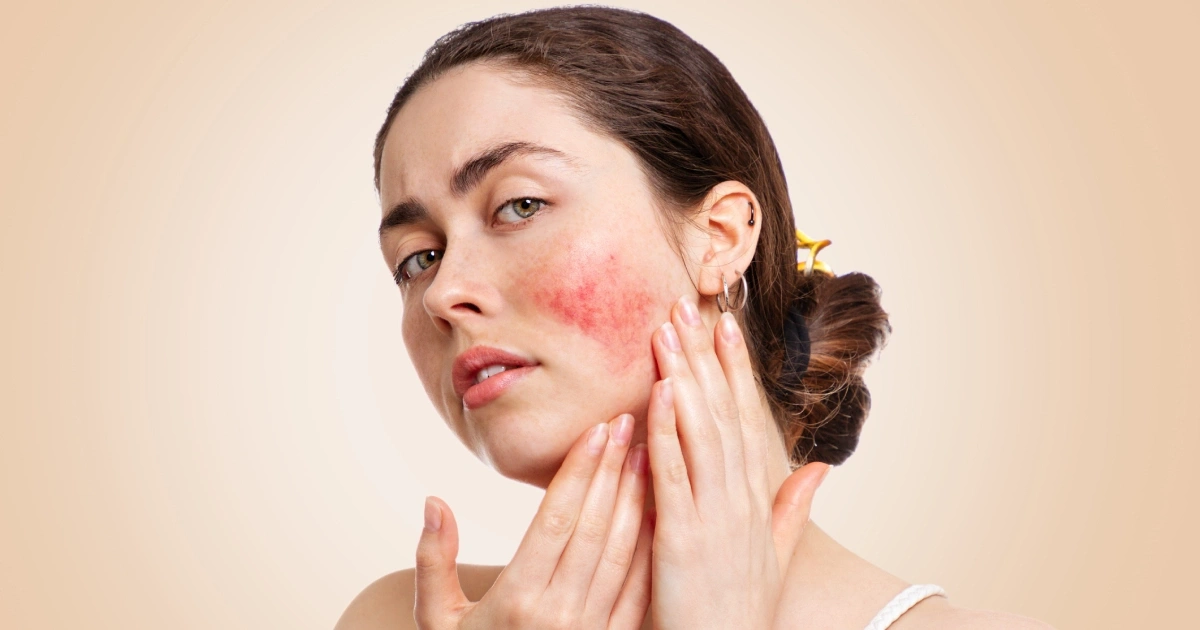
- Ongoing redness that looks like a sunburn that never quite settles
- Skin that feels hot, tight, or sensitive to products and temperature
Rosacea is not contagious, and it is not caused by poor hygiene. Genetics, immune system activity, and an overly reactive skin barrier all seem to play a role. The important thing to know is that early recognition helps you avoid years of trial and error with products and habits that might be making things worse.
How Rosacea Shows Up: Common Symptoms
No two people experience rosacea in exactly the same way, which is why it is often missed or mistaken for something else. Still, there are patterns that show up again and again.
Many people first notice that their face turns red more easily than other people’s. Hot drinks, alcohol, spicy food, emotional stress, and temperature changes can trigger flushing. Over time, that temporary flush may turn into a more permanent, blotchy redness across the nose and cheeks.
Beyond redness, common symptoms can include:
- Visible small blood vessels on the cheeks or nose
- Red bumps or pus-filled spots that look like acne, but without blackheads
- Burning, stinging, or tenderness, especially when applying skincare or sunscreen
- Rough or slightly thickened skin texture across the nose or central face
- Eye symptoms such as dryness, watering, or a gritty feeling
Because it can mimic acne, allergic reactions, or simple sensitivity, many people keep trying new products on their own instead of seeking help. That can lead to a cycle of irritation, which makes redness even more noticeable.
Main Types Of Rosacea
Dermatology professionals group rosacea into several types. You can have more than one type at the same time.
1. Erythematotelangiectatic Rosacea
This type is dominated by persistent facial redness and frequent flushing. Small visible blood vessels can appear, especially on the cheeks and around the nose. The skin often feels sensitive, hot, or tight.
2. Papulopustular Rosacea
This type includes red bumps and pus-filled spots on top of the redness. It can look a lot like acne, which is why some people are treated with acne products for years without lasting improvement. Unlike typical acne, blackheads and whiteheads are usually not part of the picture.
3. Phymatous Rosacea
This is less common but more dramatic. The skin becomes thicker, uneven, and sometimes bumpy, often on the nose. Over time, this can lead to an enlarged, bulbous appearance called rhinophyma.
4. Ocular Rosacea
In this type, the eyes are involved. They may feel dry, gritty, sore, or constantly irritated. The eyelids can look red and swollen, and some people develop frequent styes or light sensitivity. In some cases, eye symptoms show up before the skin changes are obvious.
At Vertex Aesthetics, one of the first steps is simply listening to how your skin and eyes feel day to day. That story, combined with a close exam, helps clarify which type or combination of types you might have.
Early Warning Signs You Should Not Ignore
Rosacea tends to build gradually. Early signs can be easy to shrug off, especially if they come and go. Paying attention to these changes can help you get support earlier instead of waiting until redness and irritation feel constant.
Some common early warning signs include:
- Flushing that happens frequently with triggers like hot drinks, exercise, stress, or alcohol, and that takes longer than usual to fade
- Redness that always seems to come back to the same areas, especially the cheeks and nose
- A feeling of warmth, burning, or stinging when you apply skincare, even if the product is marketed as gentle
- Tiny red veins that begin to appear on the cheeks or sides of the nose
- Eye irritation that keeps returning, especially when it happens along with facial redness
Many people also notice patterns with rosacea triggers, such as sun, wind, cold, hot showers, spicy food, and certain skincare ingredients. As soon as you start to see patterns like these, it is worth having a conversation with a professional rather than endlessly swapping products on your own.
Daily Life, Skin Care, And Flares
Living with rosacea is about more than redness in the mirror. It affects comfort, confidence, and even how you plan social time, especially if you worry a flare will show up right before something important.
Simple routines and rosacea skincare tips can ease a lot of that stress. Daily sun protection, avoiding harsh scrubs, choosing fragrance-free anti-redness skincare, and letting your skin adjust slowly to new products all help create a calmer baseline. Building gentle rosacea flare-up control habits, like cooling the skin after heat exposure and steering clear of known triggers when you can, often reduces how intense and frequent flares feel.
Some people do well with just topical care and small lifestyle shifts. Others need prescription support or in-clinic options such as dermatologist rosacea treatment or targeted laser treatment for rosacea to soften redness and visible vessels. At Vertex Aesthetics, plans are always shaped around your comfort level, your lifestyle, and what you want your skin to feel like day to day.
When To Reach Out For Help
If you are seeing yourself in these symptoms and early warning signs, you do not have to figure it out alone. Persistent redness, repeated flushing, uncomfortable bumps, or ongoing eye irritation are all reasons to seek a proper assessment.
Vertex Aesthetics offers personalized consultations for rosacea and redness concerns, with a focus on education, gentle care, and realistic planning. If you are dealing with facial redness or suspect rosacea, booking a visit is a simple way to get answers, explore your options, and start feeling more at ease in your skin. Book Your Rosacea Consultation Today!