

Cosmelan® Chemical Peel in Toronto, ON
Cosmelan® Pigmentation Correction
Dark patches and discoloration can be persistent and often frustrating, especially when they return after trying multiple skincare products or treatments. At Vertex Aesthetics, we offer Cosmelan® chemical peel treatment in Toronto, ON, a clinically advanced stubborn hyperpigmentation solution. It’s designed to treat the concern at its source rather than just the surface. This treatment targets melasma, sun damage, freckles, post-inflammatory hyperpigmentation (PIH) from sun exposure, and acne scarring.
Unlike traditional treatments that focus solely on exfoliation, this formula regulates melanin production to prevent future discoloration. It’s an effective Cosmelan® depigmentation treatment for those seeking a reliable hyperpigmentation solution with consistent results. Conveniently located at 100A Ossington Ave Suite 9 in Toronto, Vertex Aesthetics serves clients from Ossington, Queen West, Trinity Bellwoods, Dundas West, Little Italy, and Liberty Village. The clinic focuses on personalized skin correction programs that begin with consultation, skin assessment, and treatment planning rather than one-size-fits-all treatments.
What is Cosmelan® Chemical Peel?
Cosmelan® is a corrective, regulatory, and controlling treatment for this concern, not a simple surface peel. It works on three levels: it corrects what’s already present, and it regulates the skin’s pigment production process at the level of melanocytes. It also controls the formation of new pigmentation before it develops.
This Cosmelan® peel is both an in-clinic and at-home treatment system, and it requires specific skin preparation beforehand. When applied to the right skin and followed with the correct protocol, it delivers long-lasting results.
How Does Cosmelan® Work to Treat Pigmentation?
Here is how this treatment corrects, regulates, and controls pigmentation from start to finish.
Highly Concentrated Formula
This treatment corrects, regulates, and controls pigmentation through a peel with multiple active ingredients working together.
Specific Skin Preparation Required
Because of its concentration, your skin needs tailored preparation beforehand to properly tolerate the treatment.
Designed for All Seasons
Unlike peels many assume aren't suitable for warmer months, this formula was specifically developed to be performed at any time of year, in any weather.
Popular Among Darker Skin Tones
This has made it a popular professional hyperpigmentation peel among South Asian, Middle Eastern, and darker-skinned communities.
Effective Across All Skin Types
While it works effectively for everyone, darker skin tones are more predisposed to pigmentation concerns, and the protocol was designed to address even the most complex cases.
Three Distinct Phases
Phase 1 is skin preparation, Phase 2 is pigment correction and regulation, and Phase 3 is control and remodeling.
What Skin Concerns Can Cosmelan® Treat?
This treatment addresses melasma, stubborn PIH, sun spots, age spots, solar lentigines, uneven skin tone, mottled or blotchy patches, and visible signs of aging, including skin texture irregularities.
- Melasma Treatment
As a melasma treatment peel, this targets hormonally driven pigmentation that often appears as dark patches on the face. It functions as a hormonal pigmentation treatment that helps regulate production and reduce recurrence.
- Sun Damage & Dark Spots
Breaks down pigment caused by UV exposure and environmental damage, leading to a clearer, more even complexion.
- Uneven Skin Tone
Improves overall skin balance by reducing discoloration and enhancing brightness for a smoother appearance.
- Post-Acne Pigmentation
Fades dark marks left behind by acne while supporting skin renewal and texture.
Why Finding the Root Cause of Pigmentation Matters
Treating pigmentation effectively means understanding what type you have and what’s driving it. Surface treatments might provide temporary fading, but lasting results come from inhibiting melanin production at the cellular level. Addressing the triggers that cause it to develop or worsen matters just as much.
Here are common factors that contribute to different types of pigmentation.
- Hormonal Fluctuations
Pregnancy, birth control, hormone replacement therapy, and thyroid conditions can trigger melasma.
- UV Exposure
Sun damage activates melanocytes and darkens existing pigmentation, making protection essential.
- Inflammation
Acne, trauma, or irritation can cause PIH in certain skin types.
- Genetic Predisposition
Some individuals are more prone to developing pigmentation disorders based on genetics and skin type.
- Heat Exposure
Saunas, hot yoga, and even cooking heat can worsen melasma and trigger pigment production.
- Medications
Certain prescriptions, including some antibiotics and chemotherapy drugs, can cause pigmentation.
- Skin Type
Fitzpatrick skin types III to VI are more prone to PIH and melasma.
- Age and Sun History
Cumulative sun exposure over decades manifests as age spots and solar lentigines.
Toronto’s shoulder seasons deserve extra caution here. Early spring and early fall are often the most deceptive months. UV can climb into the high category by mid-morning even when air temperatures still feel mild. Many people skip sunscreen on cool, overcast days, which is exactly when unprotected UV exposure keeps triggering pigment production. Fresh spring snow adds another layer of risk, reflecting up to 80 percent of UV rays back onto the skin. This is a large part of why year-round protection matters regardless of season and why this treatment was built to be safe across all of them.
This clinical approach regulates melanin production at its source, making it a more effective long-term option than short-term fixes. Targeting the root cause helps reduce recurrence and maintain results over time.
What to Expect During Your Treatment Process
This treatment is divided into three phases and is one of Vertex Aesthetics’ pigmentation programs designed for complex cases. Here’s what candidates can expect.
Consultation and Reassessment
Your initial visit determines suitability, with progressive reassessments continuing through Phase 1 to confirm your skin is responding well.
Phase 1, Skin Preparation
You'll receive tailored preparation treatments based on your skin type, tone, and targeted pigmentation.
Phase 2, In-Clinic Application
The mask is applied in-clinic, with timing varying by skin type and tone. Removal happens at home per specific instructions.
Phase 3, At-Home Care and Post-Recovery
A specific at-home skincare routine combines with post-recovery clinic treatments over the following 4 months.
The program overall focuses on preparing, correcting, regulating, and prolonging results for as long as possible.
Recovery & Downtime Timeline
Recovery is a critical part of the process and plays a significant role in achieving optimal results. Patients should expect a controlled peeling phase as the skin renews itself.
Weeks 1 to 6 (Skin Preparation)
Pre-treatment sessions in-clinic combine with an at-home routine to prepare skin for the peel.
Weeks 7 to 8 (In-Clinic Application)
The mask is applied and left on for several hours depending on skin type and tone, with removal at home.
Days 1 to 7 (Post-Peel)
Skin appears red and feels sensitive, with tingling throughout. Peeling may begin around days 3 to 5.
Day 7 (Phase 3 Begins)
The at-home routine starts. Tingling, itching, and stinging are normal in the first weeks.
Weeks 3 to 4 (Peak Intensity)
Symptoms peak, including increased peeling, tightness, redness, and sensitivity, all temporary and expected. Post-healing clinic treatments begin.
Months 3 to 6 (Regulation Phase)
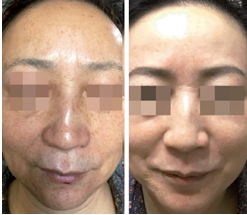
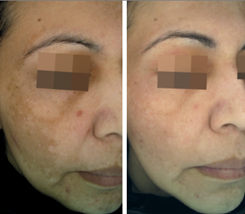
Control visits continue as skin quality visibly improves, tone becomes more even, fine lines appear diminished, and correction becomes visible.
Following the protocol, attending post-healing visits, and maintaining home care will help skin regulate, regenerate, and regain strength through Phase 3. All sensations in the first 3 months, including redness, stinging, and peeling, are normal effects of the program, which is exactly why a thorough consultation matters before starting.
Before & After Your Appointment
Preparing properly for your Cosmelan® treatment sessions ensures the best possible outcome and supports lasting results.
- Before Your Appointment:
- Complete your digital medical history form in advance
- Attend mandatory prep sessions, with the number depending on your skin type, tone, lesion type, and tolerance
- Discontinue retinoids, AHAs, BHAs, and exfoliants 7 to 10 days before
- Avoid waxing, threading, or facial treatments for one week prior
- Discontinue skin-lightening products 3 to 5 days before
- Avoid sun exposure for two weeks, using SPF 50+ daily during this period
- Arrive with clean, makeup-free skin for a clear assessment
- Clear your schedule to allow for significant downtime during peeling
- Discuss medications and sensitivities, including any medical conditions, during consultation.
- After Your Appointment:
- Keep the mask on as directed, typically 6 to 8 hours before removing it at home
- Expect peeling to begin around days 3 to 5, with flaking, tightness, and redness as part of resurfacing
- Avoid all sun exposure, applying SPF 50+ consistently, even indoors near windows
- Use only your prescribed homecare system, avoiding all other actives, exfoliants, and retinoids
- Avoid heat for two weeks, including saunas, hot yoga, hot showers, and cooking over steam
- Let flaking skin shed naturally, without picking or pulling
- Avoid makeup for 48 to 72 hours, using only mineral-based products if needed
- Attend follow-up and repair sessions to support skin barrier recovery.
A common question during consultation is whether this peel is worth it for stubborn pigmentation. For many patients dealing with melasma, sun damage, or post-acne discoloration, the value comes from its structured approach, visible improvement, and long-term maintenance strategy.

What Are the Benefits of Cosmelan® Treatment?
This treatment offers both immediate and long-term improvements, making it one of the more comprehensive solutions for pigmentation concerns available at Vertex Aesthetics.
- Visibly fades melasma and dark spots over the treatment course
- Delivers a brighter, more even-toned complexion
- Supports long-term pigmentation control with fewer recurrences
- Works safely across all skin tones and types
In addition to visible improvements, this treatment helps restore confidence by addressing stubborn concerns. With proper maintenance, patients can enjoy clearer skin and a reduced risk of recurrence.
How Long Do Cosmelan® Results Last?
Results can last months to years, depending on individual factors such as skin type, lifestyle, and sun exposure. Because the treatment targets melanin production directly, it significantly reduces the likelihood of recurring pigmentation.
To maintain results, patients should follow a proper skincare routine and use sun protection consistently, making this a reliable long-term hyperpigmentation option. Maintenance visits typically range from every 3 to 6 months to ensure results hold and pigmentation stays regulated.
For the most complex cases, additional or alternative options may need to be explored. One of those is Dermamelan®, the sister treatment to this protocol, and together we can discuss which direction suits your skin and specific concerns.
Why Choose Vertex Aesthetics for Cosmelan®?
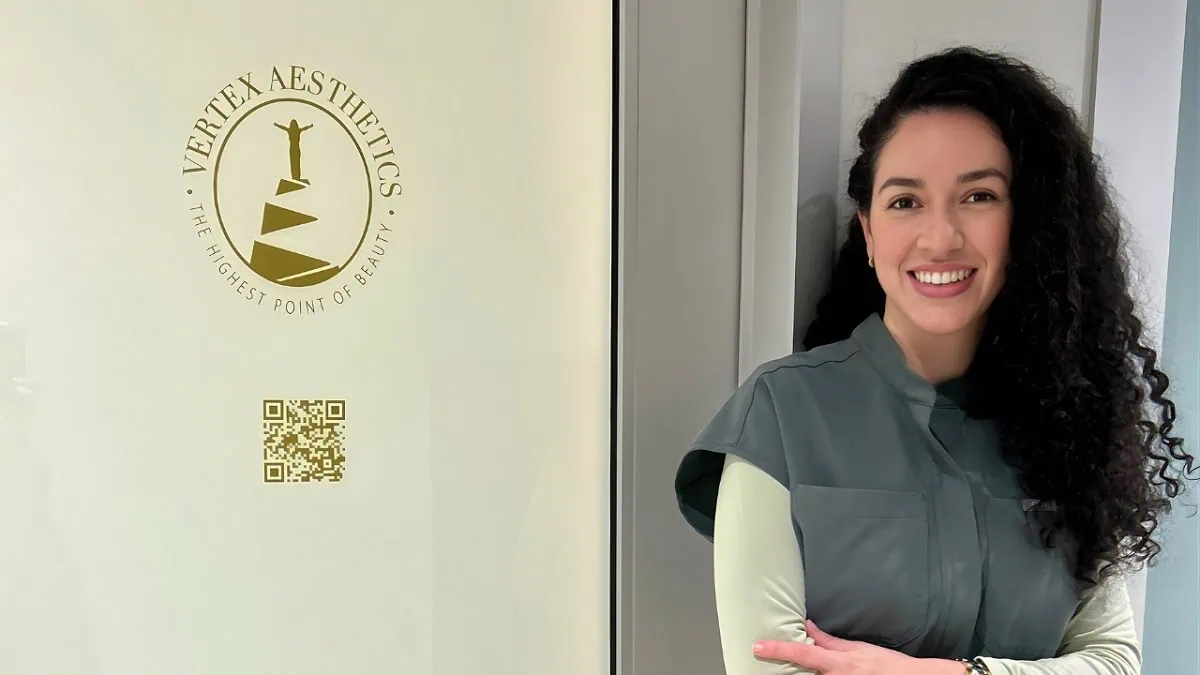
At Vertex Aesthetics, we combine clinical expertise with a personalized, patient-focused approach. Founded in 2021 by Vanessa, the clinic was built to offer advanced skincare solutions with genuine guidance and thoughtful assessments.
With over 11 years of experience as a medical aesthetician, clinical trainer, and educator, Vanessa brings a deep understanding of pigmentation, skin health, and complex skin transformations. Here’s what sets us apart:
- Experienced medical aesthetics professionals with advanced clinical training
- Customized treatment plans based on your unique skin concerns and pigmentation type
- Clinically informed solutions for melasma and hyperpigmentation
- A focus on long-term skin health, correction, and maintenance
- A guided, personalized process supporting your full skin journey
You can also explore hyperpigmentation treatment options, professional chemical peel treatments, and our medical aesthetics team to better understand your options.
Cosmelan Chemical Peel
AT VERTEX AESTHETICS


How does Cosmelan® chemical peel work?
This Cosmelan® chemical peel treatment in Toronto, ON, corrects existing pigmentation and regulates ongoing melanin production. It also controls new pigment formation, working on three levels rather than surface exfoliation alone. Specific skin preparation beforehand helps your skin tolerate the treatment safely.
How long does Cosmelan® take to show results?
The first visible results typically appear about 30 days after your Phase 2 in-clinic application. Results continue to develop and improve over the following months as your skin progresses through Phase 3.
What is the downtime after Cosmelan® treatment?
Expect visible peeling, tightness, and redness for roughly the first 1 to 2 weeks, with the most intense phase around weeks 3 to 4. Most patients can resume normal activities during this time while following strict aftercare.
Is Cosmelan® safe for all skin types?
Yes, this treatment is formulated to work across skin types and tones, including darker and more melanin-rich skin that’s often more prone to pigmentation. Your provider will confirm suitability based on your specific skin during assessment.
How long do Cosmelan® results last?
Results can last months to years depending on your skin, lifestyle, and sun habits, with consistent SPF use being essential to maintaining them. Periodic maintenance visits every 3 to 6 months help keep pigmentation regulated long-term.
Where is Vertex Aesthetics located for skin correction programs in Toronto?
Vertex Aesthetics is located at 100A Ossington Ave, Suite 9, Toronto, ON M6J 2Z4. The clinic is convenient for clients from Ossington, Queen West, Trinity Bellwoods, Dundas West, Little Italy, Liberty Village, and nearby west-end Toronto neighborhoods.
Start With a Pigmentation Assessment
If you’re ready to take control of stubborn pigmentation, Vertex Aesthetics is here to guide you. Vertex Aesthetics provides personalized skin correction programs in Toronto, conveniently located on Ossington near Queen West and Trinity Bellwoods.