

Table of Contents
Adult acne can feel frustrating, especially when breakouts, dark marks, and uneven texture keep returning despite your best efforts. In your 30s and 40s, your skin may need a more targeted approach that considers hormones, stress, inflammation, and skin changes beneath the surface. At Vertex Aesthetics, adult acne care starts with understanding your skin first, so your treatment plan can support clearer, calmer, and healthier-looking skin with confidence.
Why Acne Can Appear in Your 30s and 40s
Many people dealing with acne in 30s notice that their breakouts seem less random than they did in their teen years. They may appear before the menstrual cycle, following a stressful month, after changing birth control, during pregnancy or postpartum, or after using richer skincare products.
In your 30s, life changes can affect the skin in quiet ways. Stress, sleep disruption, work schedules, new medications, fitness routines, and product layering can all influence breakouts. Skin may also become more sensitive, so a strong exfoliant or heavy moisturizer may cause clogged pores or irritation.
Acne in 40s can have a slightly different pattern. Hormonal changes related to perimenopause may affect oil production and inflammation. At the same time, the skin barrier may become more delicate, which means harsh acne products can lead to dryness, peeling, and redness. This can make breakouts look worse and delay healing.
This is one reason adult acne often needs a calmer, more strategic approach. The goal is not to strip the skin. Instead, it is to understand what is driving the breakouts and support the skin while treating them.
Hormonal Acne and Recurring Breakouts
Hormonal acne is one of the most common reasons adults develop stubborn breakouts. It often appears on the lower face, especially the chin, jawline, and lower cheeks. These bumps may feel tender, deep, or cyst-like, and they often return in the same areas.
Hormones can influence the sebaceous glands, which produce oil. When oil production increases, dead skin cells and bacteria can become trapped inside the pore. Inflammation follows, and the breakout becomes visible.
Hormonal acne may be linked to menstrual cycles, pregnancy, postpartum changes, perimenopause, menopause, PCOS, stress, and certain medications. Since the cause is often internal, over-the-counter products alone may not always be enough. A careful assessment can help determine if the acne is mostly hormonal, product-related, inflammatory, or a mix of factors.
Late-Onset Acne Can Be Hard to Trace
Late-onset acne refers to acne that begins in adulthood, often after years of having clear or mostly manageable skin. This can make the experience confusing because there may not be one obvious cause.
Sometimes the trigger is a product. A thicker sunscreen, facial oil, long-wear makeup, or rich night cream can clog pores over time. Hair products can also contribute to breakouts along the forehead, temples, cheeks, and jawline.
Other times, the trigger is linked to the body’s internal rhythm. Stress, hormone shifts, poor sleep, changes in diet, or new medications can affect inflammation and oil production. Breakouts may also become more noticeable because adult skin can heal more slowly, leaving dark marks, red marks, or uneven texture behind.
The challenge with late-onset acne is that changing everything at once can make the problem harder to read. A more useful approach is to look at the breakout pattern, review product use, assess skin sensitivity, and identify what the skin can tolerate.
Common Triggers Behind Adult Breakouts
Adult breakouts can come from several overlapping triggers.
Stress is a common one, especially when it affects sleep, routines, or inflammation. It may not only be the cause, but it can even make flare-ups more persistent.
Friction can also play a vital role. Masks, helmets, phones, tight collars, and frequent face touching can irritate acne-prone areas. Sweat that sits on the skin after exercise may also contribute to clogged pores, especially when combined with makeup or sunscreen.
Skincare habits matter, too. Adults often use products for acne, dryness, pigmentation, and aging at the same time. When too many active ingredients are layered together, the skin barrier can become irritated. This situation may result in stinging, flaking, redness, and breakouts. All of which are challenging to calm.
A balanced plan usually works better than a harsh routine. Gentle cleansing, non-clogging hydration, daily sunscreen, and targeted ingredients can help manage acne while protecting the skin barrier.
Effective Adult Acne Treatment Options
The right adult acne treatment depends on the type of acne, triggers involved, and the condition of the skin. Mild clogged pores may respond to salicylic acid, benzoyl peroxide, azelaic acid, or topical retinoids. More inflamed or persistent acne may require prescription support or professional skin programs.
Acne scars need a different plan from active acne. Active breakouts often need to be controlled first. Once inflammation is calmer and oil production is more stable, treatments can focus more on texture, dark marks, red marks, and scarring.
Laser DPC Acne
Laser DPC Acne is a gentle light-based skin program designed for mild to moderate inflammatory acne. It does not rely on medication, which may make it an option for people who want a non-drug approach to active breakouts.
The treatment uses light-based technology to help reduce inflammation and soothe acne-prone skin. It supports the skin’s natural healing response while targeting active acne in a comfortable way.
Microneedling
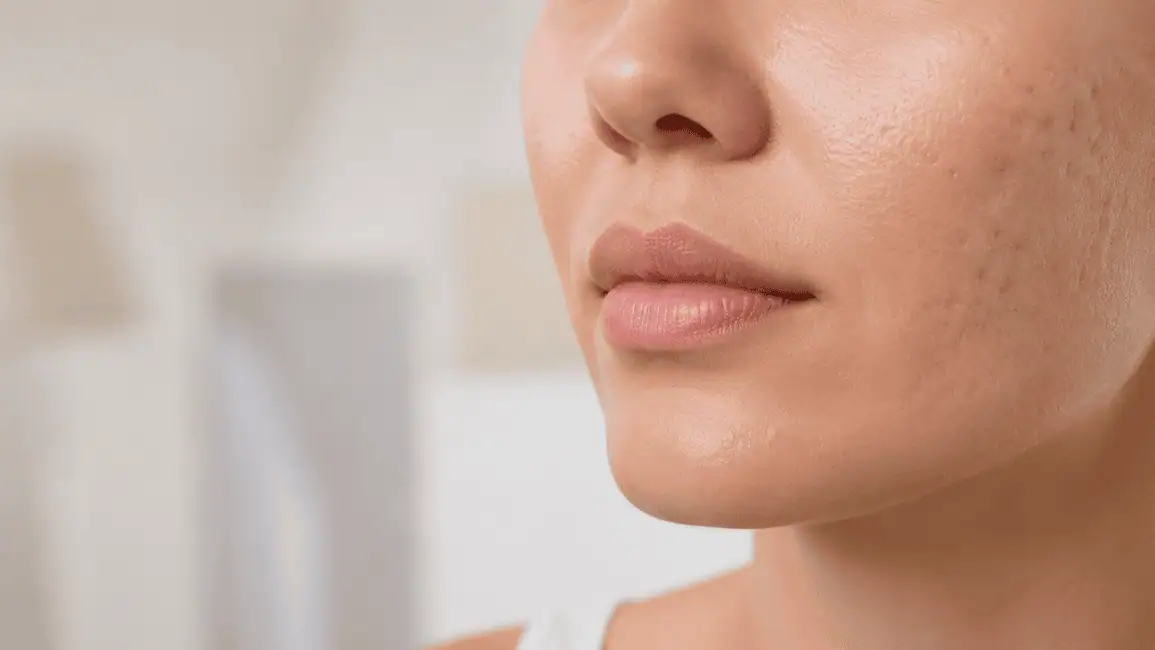
Microneedling is often used for acne scarring rather than active inflamed acne. It creates controlled micro-injuries in the skin, which can trigger natural collagen synthesis. This may help soften the appearance of atrophic scars, including ice pick, boxcar, and rolling scars.
This procedure can also support improvement in post-inflammatory hyperpigmentation, which appears as dark marks, and post-inflammatory erythema, which appears as red marks. Once oil production is better controlled, microneedling may also help refine the look of enlarged pores and improve overall texture and tone.
OxyGeneo® Facial
OxyGeneo® Facial is designed to oxygenate the skin and support its natural repair processes. By increasing oxygen levels at the cellular level, this skin program may help target acne-causing bacteria, regulate excess sebum, and support faster skin recovery. For acne-prone skin, this can be helpful when the goal is to calm breakouts while also improving dullness, congestion, and uneven tone.
Chemical Peels
Chemical peels can address acne through exfoliation, oil balance, and cellular renewal. Depending on the type of peel used, they may help reduce acne-causing bacteria, support more balanced sebaceous gland activity, and clear buildup that contributes to clogged pores.
Peels may also help improve the look of post-acne marks and uneven skin texture over time. The strength and type of peel should be chosen carefully, especially for adult skin that may be sensitive or prone to discoloration.
Vertex Aesthetics Adult Acne Treatment in Toronto
At Vertex Aesthetics, adult acne treatment in Toronto begins with assessment and education rather than a standard skin program recommendation. Acne is complex, and no two cases are exactly alike. The cause of your breakouts, the type of scarring you have, and the way your skin responds to treatment are all personal to you.
Some people are managing their first adult breakouts. Others have been dealing with persistent acne or scars for years. Both situations can carry emotional weight, especially when acne affects confidence long after the skin begins to clear.
The Vertex Aesthetics team assesses acne scarring by type, including indented or pitted scars, raised or bumpy scars, and dark spots or discoloration. This matters because each scar type may need a different approach. A treatment that works well for discoloration may not be the best choice for deeper texture changes. A treatment that improves pitted scars may need to wait until active breakouts are more controlled.
Book Your Acne Consultation Today.
Frequently Asked Questions
Can acne start for the first time in your 30s or 40s?
Yes, late-onset acne can begin in adulthood due to hormone changes, stress, skincare products, medications, or shifts in skin health.
What does hormonal acne usually look like?
Hormonal acne often appears as deep, tender breakouts along the chin, jawline, lower cheeks, or neck.
What is the best adult acne treatment?
The best adult acne treatment depends on the type of acne, triggers, skin sensitivity, and whether scarring or discoloration is present.