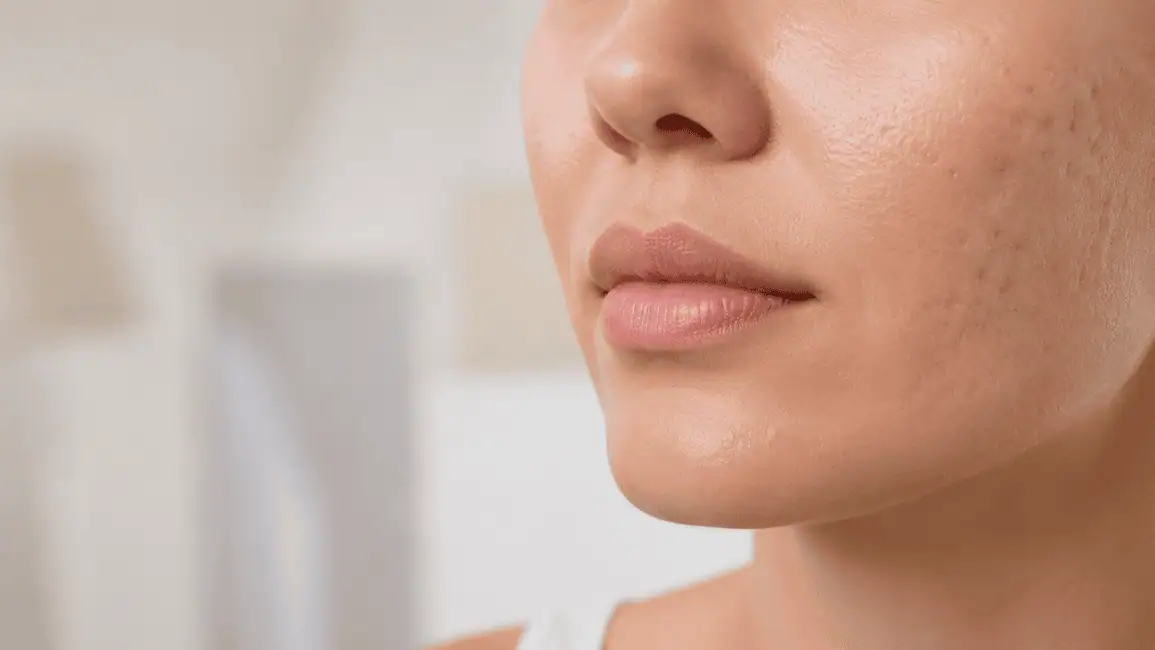


Dark patches across the cheeks, a scatter of flat brown spots on the forehead, faint shadows left behind by an old breakout. These can appear to be the same thing in a photo, but beneath the surface they are three separate concerns with three separate causes. That difference is why generic spot creams and single go-to treatments so often stall out.
At Vertex Aesthetics in Toronto, effective pigmentation treatment begins with understanding which type you actually have, how deep it sits, and what triggers it. This guide explains how melasma, sun spots, and post-acne marks differ, and why matching your approach to your skin moves discoloration in the right direction.
Why does pigmentation need a custom treatment plan?
Melasma, sun spots, and post-acne marks form at different depths and are triggered by different factors, so a treatment that fades one type can be ineffective or even worsen another. A strong plan begins by assessing your pigmentation type, depth, skin tone, and triggers before any single treatment is chosen.
Are All Dark Spots The Same?
Dark spots on skin fall into distinct categories, even when they look nearly identical. Melasma, sun spots, and post-acne marks each form through different processes, sit at different depths, and respond to different treatments. Most over-the-counter products target the color you can see rather than the pathway producing it, so they lighten the surface slightly and then plateau. An approach that suits one type of pigment can also aggravate another.
Melasma: The Hormone-Driven Type That Needs Caution
Melasma shows up as patchy, often symmetrical discoloration, usually across the cheeks, forehead, upper lip, or bridge of the nose. It is driven by a mix of hormones, heat, and sun exposure, and the pigment often sits deeper in the skin than other spots. That depth is a big part of why melasma treatment takes patience.
Melasma is also stubborn and prone to returning even after it improves, because hormones and heat keep feeding it. Aggressive or heat-based treatments can backfire, sometimes darkening the very patches you were trying to fade. Some treatments that clear other pigment well are not appropriate for melasma at all, which is why identifying the type first protects your results.
Sun Spots: Surface Damage From Years of UV
Sun spots, known clinically as solar lentigines, are flat, well-defined brown spots caused by cumulative UV exposure. Unlike melasma, they sit closer to the skin’s surface, which changes the treatment options. This is why sun spot removal follows a different path than melasma care.
Being more superficial and UV-driven, sun spots frequently respond well to treatments that would be the wrong call for melasma. Toronto’s four-season climate can create a false sense of security. Sun exposure accumulates on winter commutes and summer patios alike, so daily SPF is one of the simplest ways to hold your progress.
Post-Acne Marks: What’s Left Behind After a Breakout
Post-acne marks, or post-inflammatory hyperpigmentation (PIH), are the flat dark spots left behind after a pimple heals. They are a separate concern from active acne, which is why clearing your breakouts does not automatically erase the shadows they leave. Effective post-acne marks treatment focuses on that leftover pigment rather than the blemish itself.
PIH often fades with the right support, though it can linger for months and tends to persist in deeper skin tones. Because the pigment is a response to inflammation, gentler approaches that encourage cell turnover suit it better than harsh intervention. Hyperpigmentation treatment for PIH is steady, controlled fading rather than force.
Why One Treatment Can’t Fix Every Kind of Pigmentation
No single treatment addresses every kind of pigmentation, because four variables change the correct approach: the type of pigment, how deep it sits, your skin tone, and what is triggering it. Change one and the right plan shifts with it.
Skin tone carries much of that weight. Providers use the Fitzpatrick skin type scale, a classification from I (very fair) to VI (very dark), to assess how your skin is likely to respond to UV and specific treatments. Some lasers and peels that suit lighter skin carry a higher risk of irritation or rebound pigment in deeper skin tones, so candidacy has to be assessed rather than assumed. Uneven skin tone treatment that ignores type, depth, and Fitzpatrick classification is guessing, and guessing is how pigment gets worse.
How Does a Custom Pigmentation Plan Come Together?
A custom plan begins with assessment. At Vertex Aesthetics, that means scanning your skin to pinpoint what is happening below the surface, including barrier health, inflammation, and your pigmentation type and depth. Your skin tone, triggers, and medical history are reviewed alongside those findings, so options match the actual problem rather than the visible symptom.
From there, treatments are chosen by fit rather than pulled from a menu:
- Cosmelan® chemical peel is a professional depigmenting treatment for stubborn melasma and deep post-inflammatory hyperpigmentation that has not responded to other approaches.
- DPC laser skin rejuvenation uses dynamic pulse control technology to break apart melanin clusters in surface pigment such as sun spots and freckles. It suits superficial discoloration but is not recommended for melasma or deeper dermal pigment.
- Microneedling stimulates collagen and cellular turnover to help fade PIH and improve overall tone, often paired with targeted serums.
- OxyGeneo® Illuminate is a gentler brightening facial for mild pigmentation, maintenance, or one part of a broader program. It is not intended for stubborn melasma or deep pigment.
Realistic expectations matter too. Pigmentation is regulated over time rather than erased overnight, and some types, melasma especially, need ongoing management.
Why Your Home Routine Changes With Your Skin Tone
Home care does much of the work between appointments, and the routine depends on your skin tone as much as your pigment type. Anyone predisposed to pigmentation needs that routine planned deliberately, especially in deeper skin tones, where inflammation converts to pigment more readily. We review and correct your at-home routine so your skin stays protected, arrives prepared for each session, and keeps regulating the pigmentation pathway between visits.
A routine built for a deeper skin tone is not the same as one built for a lighter tone, and for in-between tones the eye area needs its own approach, since that skin is thinner and responds differently to the rest of the face.
Your Pigmentation Is Unique, and Your Plan Should Be Too
Fading melasma, sun spots, and post-acne marks safely means treating them as the distinct concerns they are. If spots have stalled despite your best efforts, the Pigmentation Treatment Toronto patients turn to at Vertex Aesthetics starts with understanding your skin, not guessing at it. Book your personalized consultation, and we will assess your type, depth, and triggers so your plan fits your actual pigmentation.