
Table of Contents
You can spend years on a careful facial routine and still be surprised by what shows up in a photo. The jawline looks fine. The neck and upper chest look older, drier, and more marked than the face above them. That mismatch is common, and it is not the result of doing something wrong.
The skin from the jawline down to the top of the chest is built differently than facial skin, it takes a different kind of daily wear, and for most people it has been left out of the routine for decades. At Vertex Aesthetics, the neck and chest are assessed on their own terms rather than treated as an extension of the face, because understanding why the area ages faster is the first step in deciding what actually needs to happen there.
What causes the skin on the neck and chest to show signs of aging sooner than the face?
The skin on the neck and chest has a thinner dermis and fewer oil glands than facial skin, so it holds less collagen and repairs damage more slowly. It also collects sun exposure through car and office windows, and sunscreen often stops at the jaw. Because the causes vary, the area is best addressed with an assessment and a phased program.
The Skin Below Your Jawline Has Less Structure to Lose
Facial skin is comparatively thick and well supplied. Neck and chest skin is not, and three structural differences account for most of the gap.
- A thinner dermis. There was less collagen and elastin in the area to begin with, so the same rate of age-related loss becomes visible sooner and more obviously than it does on the cheeks.
- Fewer oil glands. Less natural lubrication means the barrier dries out and roughens more easily, which is why crepey texture often shows up here first.
- Fewer hair follicles. Follicles hold cells that contribute to repair and renewal, so everyday damage in this area tends to heal more slowly.
None of these can be changed. They simply mean the neck and chest have a smaller margin before change becomes visible.
Why This Area Absorbs More Damage Than Most People Realize
The structural disadvantage is compounded by exposure. Four things do most of the work over a lifetime.
- Sun through glass. UVA passes through car and office windows, so the sides of the neck and the upper chest collect exposure during a commute, not just on a beach.
- Sunscreen that stops at the jaw. For years, most people have applied SPF to the face and stopped, leaving the area below it unprotected during the same daily exposure.
- Constant neck movement. Long hours looking down at a phone or laptop fold the same lines over and over, and repeated creasing eventually sets.
- Sleep position. Side sleeping presses the chest into vertical folds that can become permanent over years.
None of this is dramatic on any single day. The damage is cumulative, which is also why it responds to a long-term program rather than a single appointment.
What Neck and Chest Aging Actually Looks Like
Several distinct changes usually appear together:
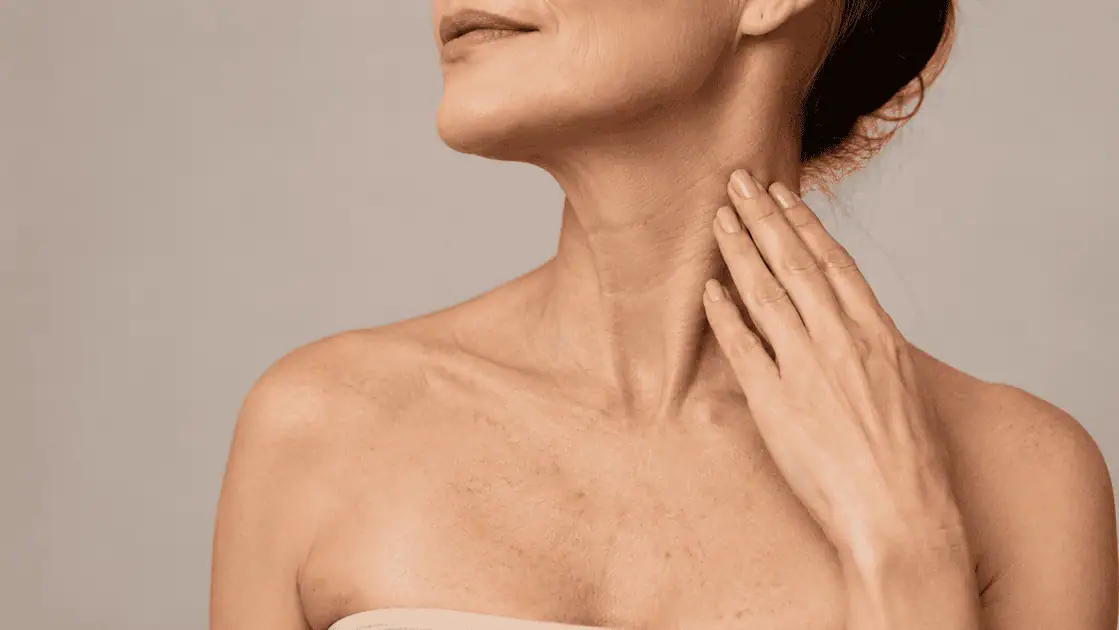
- Horizontal lines across the front of the neck
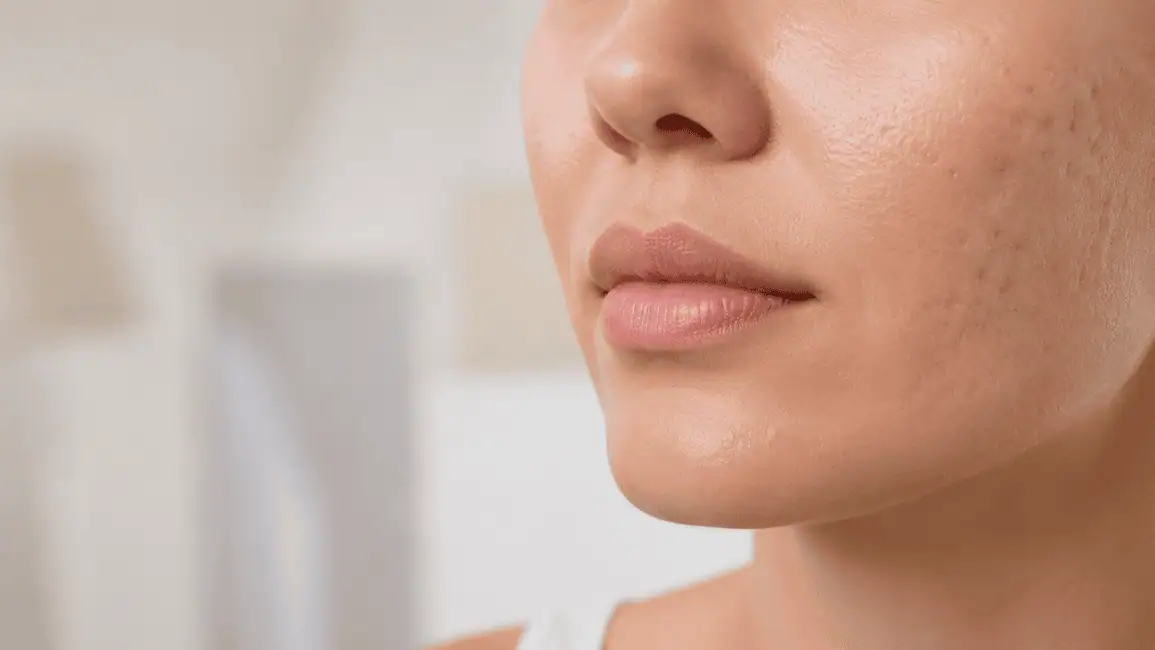
- Crepey, loose texture under the chin and along the jawline
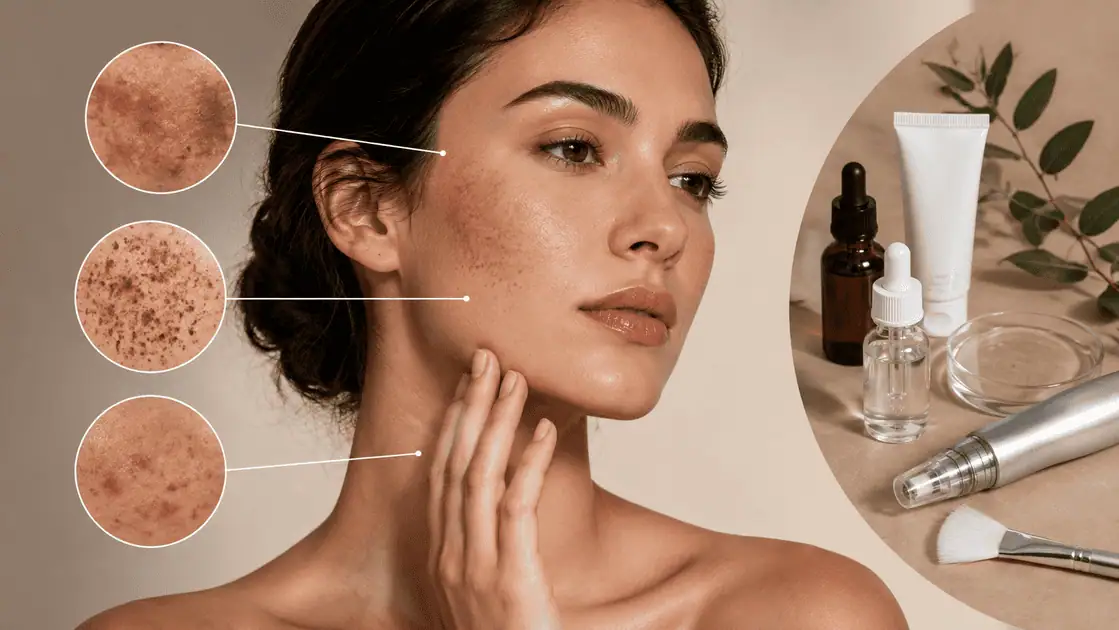
- Flat brown spots and uneven tone on the upper chest
- Mottled red and brown discoloration along the sides of the neck
- Vertical creases on the chest
- General loss of firmness
These are separate problems with separate causes. Pigment is not laxity. Texture is not redness. A neck and chest aging treatment that only addresses one of them will leave the rest in place, which is why the area is better approached as a program than as a single service.
Why Your Face Routine Does Not Transfer Directly
The skin here is thinner and more reactive, so the strength and frequency your face tolerates can irritate it. Three adjustments make the difference.
- Start lower and less often. Retinoids used nightly on the face often need to begin at a lower strength two or three times a week below the jaw, applied over a moisturizer at first, then increased slowly if the skin stays calm.
- Extend everything downward. Sweep serums and moisturizer past the jawline to the collarbones instead of stopping at the chin.
- Keep sunscreen on year round. Winter and cloud cover do not remove UVA exposure, and this is the one habit that protects everything else you do.
Good anti-aging skin care for chest and neck will not lift loose skin, but it protects the structure that remains and may improve tone and texture over months of consistent use.
How a Program Starts With Identifying the Dominant Problem
An assessment should establish what is actually driving the appearance of the area, because pigment, redness, texture, and true laxity respond to different approaches and the order matters.
- Chest sun damage rejuvenation focuses on pigment and vascular concerns, using peels or light-based treatments matched to skin type and history.
- Neck wrinkles treatment depends on whether the lines are surface texture or a sign of underlying laxity, since those call for different tools.
- Décolletage skin tightening addresses the structural side through collagen-stimulating work such as radio frequency, infrared, or microneedling.
Most people have a mix of all three, which is why treatments are phased over time rather than stacked into one visit.
Why Collagen Work Is Slow by Design
Collagen support for neck and chest relies on the skin’s own repair process. Energy-based and needle-based treatments create a controlled stimulus, and the body responds by remodeling collagen over the following weeks and months. Some tightening may be noticeable early, but meaningful change accumulates.
That timeline is worth accepting rather than working around. At Vertex Aesthetics, skin tightening is delivered inside a skin program rather than as a standalone appointment, with a baseline assessment first and reassessment as the program progresses. The number of sessions is determined by what the skin needs, not set in advance.
Where to Start in Toronto
If you are weighing neck and chest aging treatment Toronto options, the useful first step is an assessment rather than a booking for a specific device. Twenty years of accumulated sun exposure and collagen loss will not reverse in a session, and any plan suggesting otherwise is worth questioning.
A proper consultation should give you a clear read on what is happening in your skin, what can realistically change, and what sequence makes sense over the next several months. Ready to give your neck and chest the targeted care they deserve? Book your consultation today.
About the Author
Vanessa is a medical aesthetician, clinical trainer, and educator with 11 years of experience, and she leads the clinical team at Vertex Aesthetics. Trained at Ella Baché in Sydney and shaped by her work with leading skincare brands and medical spas, she developed a deeper focus on skin, particularly acne, pigmentation, and complex skin transformations.